
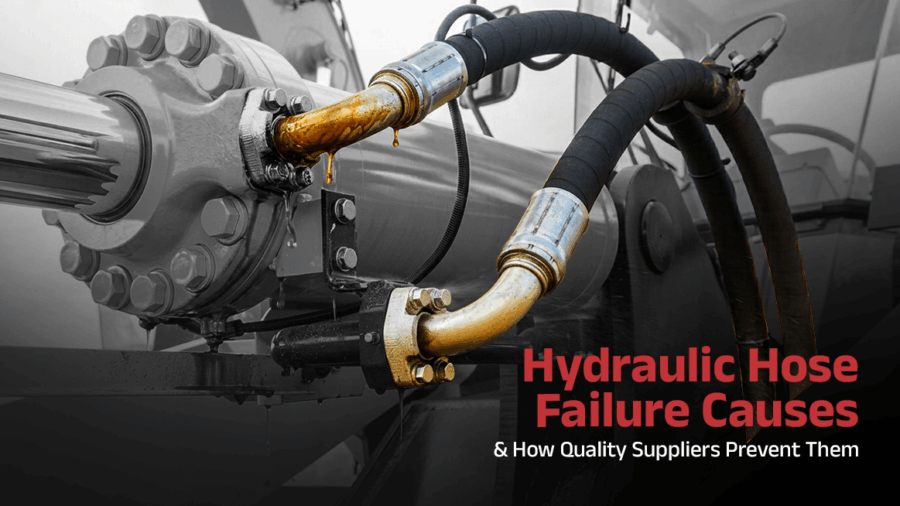
Hydraulic hoses are designed to perform under demanding conditions, but even a minor failure can bring an entire hydraulic system to a halt. Incorrectly selected hoses‚ faulty hose assemblies‚ incorrect installation‚ contamination‚ and poor maintenance are some of the common causes of hose failure․ These factors may cause equipment malfunction, oil spills, expensive repairs, and pose some safety risks.
However, there are many ways to prevent hose failures. One should be aware of the main causes of hose failures, and collaborate with professional hydraulic hose manufacturers in India and industrial hose suppliers. The following article describes the main causes of hydraulic hose failures and provides some information on how quality manufacturers prevent them.
Why Hydraulic Hose Failures Matter
Hydraulic hoses are an important part of any hydraulic system and are used in various industries such as mining‚ construction‚ manufacturing‚ agriculture and steel․
Failures of hydraulic hoses can take out the entire system, requiring replacement of the hydraulic hose as well as some other components of the system and result in safety issues and increased maintenance costs. Unexpected shutdowns in industries often cost much more than the hose itself.
That’s the reason good high pressure hydraulic hose manufacturers consider engineering and quality testing very important.
1. Incorrect Hydraulic Hose Selection
The most common cause of hydraulic hose failure is using the wrong hose for the application․ Each hydraulic system has limits on its pressures, temperatures‚ fluid compatibility and minimum bend radius. The use of a hose beyond its working limits may lead to its wear, leakage, and burst.
While choosing a hydraulic hose, the following factors must be considered:
- Working and surge pressure
- Operating temperature
- Compatibility of hydraulic fluid
- Minimum bend radius
- Environmental conditions
Hydraulic hose manufacturing companies comply with recognized standards to ensure that their products meet the specifications of the particular application.
2. Poor Assembly Quality
However, even the best quality hose may be prone to failure when not assembled properly. An efficient assembly process requires good compatibility between the hose, fittings, ferrules, and crimping process.
Some of the common assembly problems include:
- Improper choice of fittings
- Improper crimping
- Incompatible hose and coupling combination
- Poor installation of ferrules
- Insufficient inspection
Improper assembly process often leads to leakage, poor connections, and pressure failures. That is why professional industrial hose suppliers rely on calibrated machinery, standard assembling procedure, and quality controls.
3. Excessive Pressure Spikes
It should be noted that hydraulic systems are prone to temporary pressure surges due to fast valve movement, load variations, and even system startup. However, such spikes, despite being brief, lead to a reduction in the reinforcement life of the hose.
Hose selection solely based on the continuous operating pressure may not be sufficient. Peak operating conditions also have to be taken into account in order to design an efficient hydraulic system.
Leading manufacturers of high pressure hydraulic hose subject their products to severe operating conditions testing, yet hose selection is still crucial in order to avoid pressure issues.
4. Abrasion and External Damage
External abrasion is perhaps the most frequent cause of failure requiring hydraulic hose replacement. Constant contact with equipment parts, sharp edges, clamps, and other hoses wears down the outer layer of the hose, exposing the underlying reinforcement layer.
Some of the other reasons for external damage are:
- Incorrect routing
- Vibration
- Interaction with moving equipment
- Impact during operation
Correct routing, installation, protective sleeves, abrasion resistant cover, and proper clamping significantly increase hose lifespan. Indian hydraulic hose manufacturers also offer some helpful installation tips to minimize wear and tear.
5. High Temperature Exposure
Heat stress causes slow destruction of the internal tube and external casing, causing reduction of flexibility and ability to withstand high pressure.
The main reasons for such problems are:
- High intensity work
- Poor cooling mechanisms
- Location of hoses close to engines or exhaust
- Work of hydraulic fluids under excessive temperature
Using appropriate hoses depending on temperature of operations and providing heat protection can help to increase lifespan of hydraulic equipment
6. Hydraulic Fluid Contamination
Contamination of hydraulic liquid results in low operational performance of the system. Dust, moisture, metal shavings and other foreign objects can cause internal tube destruction, problems with pumps, valves and seals of the hose.
In order to prevent contamination it is required to:
- Maintain clean hydraulic liquid
- Implement proper filtration systems
- Use caps while transporting and storing the hose
- Clean hose assembly before installation
Industrial hose suppliers know how important it is to provide cleanliness of the whole hydraulic system, not only of the hose itself.
7. Improper Installation
Despite being properly selected, a hydraulic hose can fail due to improper installation. This is because twisting the hose, bending below its minimum bend radius, and installing it under tension puts undue stress on the reinforcement of the hose.
Some of the improper installations of hydraulic hoses include:
- Twisting the hose at the time of installation
- Taking sharp turns
- Poor installation around movable parts
- Inadequate clamps and supports
Observing the manufacturer’s installation instructions and giving proper flexibilities for movements will help to enhance the reliability of the hydraulic system. Manufacturers of most hydraulic hoses in India also give installation recommendations for optimum performance.
8. Lack of Preventive Maintenance
It is natural that hydraulic hoses will get worn out with usage. If not inspected, these small problems may turn into big problems such as cracks, abrasions, loosening of the fitting, oil leakage and so forth.
The inspections should include:
- Cracks or cuts
- Abrasion
- Oil leaking
- Bulges
- Damaged fitting
- Reinforcement exposed
Replacing hydraulic hoses before breakdowns proves to be much more economical than unexpected breakdowns. The industry standards like NAHAD also recommend regular inspection and planned replacements as preventive maintenance practices.
How Quality Hydraulic Hose Suppliers Prevent These Failures
However, preventing hydraulic hose failures is not only dependent on the correct installation of hose products but rather begins prior to its installation.
Reliable suppliers normally do the following:
- Manufacture their products according to accepted industry standards
- Supply compatible hoses and fittings
- Adhere to standard crimping procedures
- Test pressure and quality
- Provide technical assistance in selecting hoses
- Maintain product traceability and documentation
This prevents compatibility problems and ensures high safety standards and availability.
Rajdhani also adheres to the same engineering-based principles of manufacturing their hose products by stressing compatibility of hoses and fittings, pressure testing, quality testing, and technical assistance prior to delivering their products to customers.
Choosing the Right Hydraulic Hose Supplier
The selection of a hydraulic hose supplier is not just about selecting one on the basis of price. The choice of an efficient supplier will ensure good system performance, cost savings, and durability of the machinery.
While choosing hydraulic hose manufacturers in India or industrial hose suppliers, the following points should be taken into consideration:
- Adherence to industry standards
- Sound experience in manufacturing
- Wide variety of hoses and fittings
- Efficient quality testing process
- Technical assistance and application advice
- Strong inventory and delivery capabilities
- Industrial experience
Working with experienced high pressure hydraulic hose manufacturers will help you get the right products.
Conclusion
The breakdowns of hydraulic hoses may be avoided in most cases by taking the above precautions into consideration. The majority of hydraulic hose problems are a result of faulty selection, improper assembly, installation, contamination, excessively high operating parameters or inadequate maintenance. This will definitely increase the efficiency of your equipment and decrease its cost of operation.
Just as important as it is to pay attention to the above mentioned aspects, one should choose reliable manufacturers of industrial hoses in India who value engineering, quality and technical support.
Frequently Asked Questions (FAQs)
- What is the most common cause of hydraulic hose failure?
The most common cause of hose failure is incorrect hose selection. A hose which is not appropriate for pressure and temperature range, for example, is bound to malfunction eventually. - How often should hydraulic hoses be inspected?
Hydraulic hoses should be inspected periodically as part of preventative maintenance. - Is there a possibility that poor quality fittings can lead to hydraulic hose failure?
Yes. Poor quality and inappropriate fittings may lead to loose connections causing leaks, loss of pressure, and the failure of the hose assembly completely. - What measures have quality hydraulic hose manufacturers adopted to make their products reliable?
Quality hydraulic hose manufacturers adopt standard manufacturing techniques, appropriate fittings, pressure tests, and technical advice to ensure consistency. - In what situations does a hydraulic hose need replacement?
The situations in which a hydraulic hose needs to be replaced include; the hose being loose, cracked, showing reinforcement, excessive abrasions, blistered, or damaged fittings. The hoses should also be replaced as per the manufacturer’s advice.

